



POWER GRID AND RENEWABLE ENERGY LABORATORY (PGRE LAB)
1. Overview
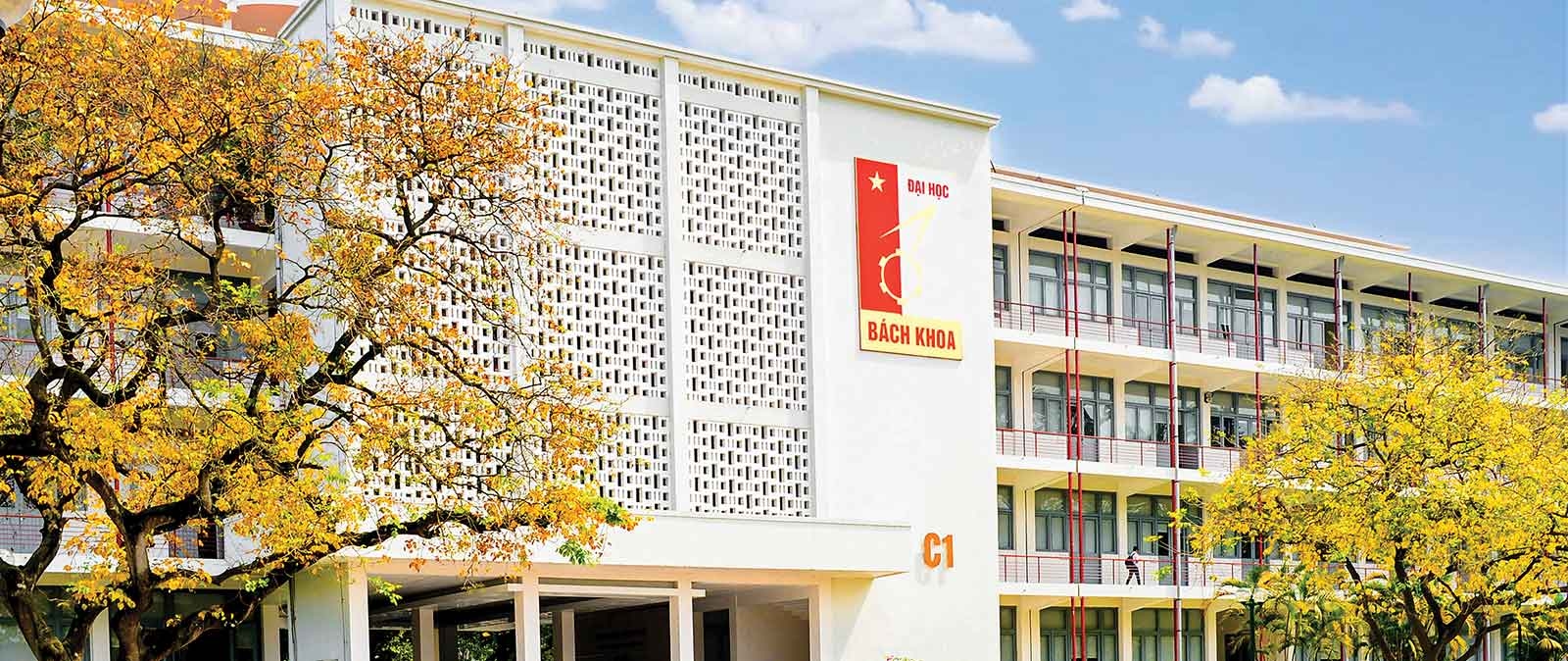
The Power Systems and Renewable Energy Research Laboratory (PGRE Lab), under the School of Electrical and Electronic Engineering, Hanoi University of Science and Technology, is one of the core research units in the field of energy engineering. With a mission to address the challenges of modern power grids and accelerate the energy transition, PGRE Lab serves as a pioneering academic hub that bridges advanced theoretical research with practical applications in the power and sustainable energy industries.
2. Core Expertise
PGRE Lab’s research orientation is built upon the convergence of traditional electrical engineering and advanced digital technologies, focusing on the following key pillars:
- Renewable Energy Integration and Power System Optimization: Comprehensive studies on smart grids, microgrids, impact assessment of solar and wind power on power systems, and the design of advanced protection relay systems.
- Artificial Intelligence (AI) and Data Science Applications: Leading the application of deep learning, neural networks, and optimization algorithms for short-term and real-time forecasting of wind and solar power, as well as load forecasting and fault detection.
- Energy Management and Smart Buildings: Optimization for green buildings (Zero Energy Buildings), urban building energy modeling (UBEM), development of demand response strategies, peer-to-peer (P2P) energy trading, and intelligent control of electric vehicle charging stations.
- Energy Storage and Emerging Energy Technologies: Development of integrated grid models incorporating energy storage systems, fuel cells, and green hydrogen production technologies (electrolyzers) to enhance grid stability and frequency regulation.
3. Research Team
PGRE Lab is proud to host a team of highly qualified experts and scientists with strong international academic backgrounds. All core members (including senior lecturers, associate professors, and PhD holders) have been formally trained and have conducted research in countries with advanced scientific ecosystems such as Japan, France, and Thailand.
The team demonstrates strong interdisciplinary expertise, spanning electrical engineering, energy mechanics, artificial intelligence, and data science, along with an extensive international collaboration network across Australia, Taiwan, South Korea, and the United Kingdom. Notably, several members hold leadership roles within IEEE Vietnam, serve on editorial boards of reputable scientific journals, or act as senior advisors to government ministries (e.g., Ministry of Industry and Trade, Ministry of Construction) and international organizations (e.g., UNDP, GIZ, KOICA) on energy efficiency policies.
4. Achievements and Key Activities
Leveraging its strong research capabilities, PGRE Lab has successfully led and completed numerous projects at national, ministerial, and international levels. The Lab has established a strong academic presence globally through a large number of publications in ISI/Scopus-indexed journals ranked Q1 and Q2 (such as IEEE Transactions, International Journal of Hydrogen Energy, and Energy Reports).
In terms of practical impact, the Lab has successfully developed and transferred real-time solar power monitoring and forecasting software systems, built microgrid models integrated with electrolyzers, and made significant contributions to standards and solutions aimed at reducing power losses and improving the reliability of electricity supply in Vietnam.
5. Development Orientation
Building on its core strengths, PGRE Lab aims to become a leading regional innovation center in sustainable energy transition and Net-Zero technologies. In the coming years, the Lab will further advance research on Virtual Power Plants (VPPs), develop smart urban energy ecosystems, and apply AI and reinforcement learning to operate flexible energy systems.
Through these efforts, the Lab is committed to directly contributing to national low-emission power development planning and to training high-quality human resources for the modern energy industry.